
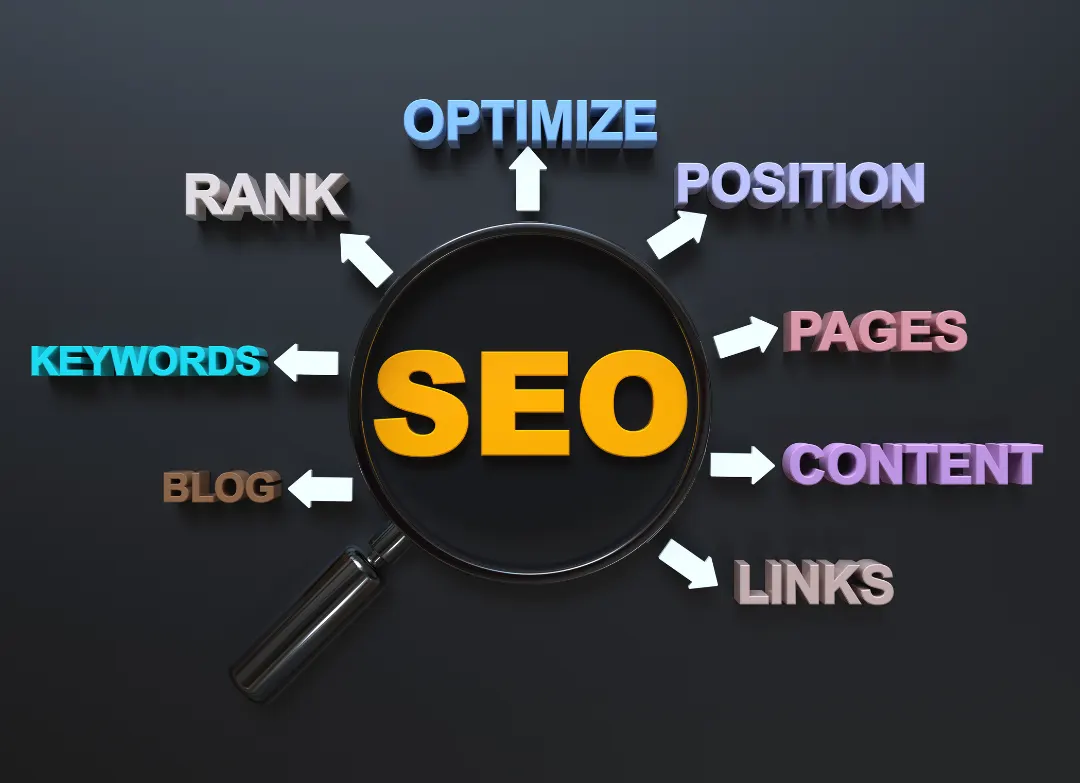
Search Engine Optimization (SEO) is a fundamental digital marketing strategy focused on enhancing a website’s visibility on search engine results pages (SERPs). By understanding and leveraging SEO, businesses can attract more organic traffic, engage their target audience effectively, and improve their online presence.
In this comprehensive guide, we will explore what SEO is, why it’s important, and how to implement it effectively.
What is SEO?
SEO refers to the process of optimizing a website’s content, structure, and technical elements to improve its ranking on search engines like Google, Bing, and Yahoo. The ultimate goal is to ensure that a website appears higher in search results when users search for relevant keywords or phrases.
The Core Components of SEO
SEO comprises several components that work together to enhance a website’s performance:
- On-Page SEO: Focuses on optimizing individual pages for specific keywords.
- Off-Page SEO: Involves building backlinks and promoting the website on external platforms.
- Technical SEO: Ensures a website is technically sound and easy for search engines to crawl.
- Local SEO: Optimizes a website for location-based searches.
Each component plays a crucial role in creating a comprehensive SEO strategy.
Why is SEO Important?
Increased Visibility
SEO helps improve a website’s visibility, making it easier for potential customers to find your business online. Higher rankings in search results mean more clicks and engagement.
Cost-Effective Marketing
Unlike paid advertising, SEO focuses on attracting organic traffic, reducing the cost per acquisition. Once your website ranks high, you can continue to generate traffic without ongoing advertising costs.
Builds Credibility and Trust
Websites that appear at the top of search results are often seen as more credible and trustworthy. Effective SEO strategies can help establish your brand’s authority in your industry.
Enhances User Experience
A good SEO strategy prioritizes user experience by improving website speed, navigation, and mobile responsiveness, all of which contribute to higher engagement and conversions.
How Do Search Engines Work?
To understand SEO, it’s essential to know how search engines operate. Search engines like Google use complex algorithms to deliver the most relevant results to users. The process involves:
Crawling
Search engines use bots, also known as crawlers or spiders, to discover content on the web by following links.
Indexing
Once content is discovered, it’s stored in a massive database called the index. Search engines categorize and organize the content to retrieve it quickly when needed.
Ranking
When a user performs a search, the search engine ranks the indexed content based on relevance, authority, and other factors to display the most appropriate results.
Key Elements of an Effective SEO Strategy
1. Keyword Research
Keyword research is the foundation of SEO. Identifying the right keywords ensures that your content aligns with what users are searching for. Tools like Google Keyword Planner, SEMrush, and Ahrefs can help with this process.
Tips for Effective Keyword Research
- Focus on long-tail keywords for higher conversion rates.
- Analyze competitor keywords.
- Consider search intent: informational, navigational, or transactional.
2. Quality Content
Content is king in SEO. High-quality, relevant, and engaging content attracts visitors and keeps them on your site longer, reducing bounce rates.
Characteristics of SEO-Friendly Content
- Informative and valuable to the audience.
- Includes target keywords naturally.
- Well-structured with headings, bullet points, and visuals.
3. On-Page Optimization
Title Tags and Meta Descriptions
Title tags and meta descriptions are crucial for attracting clicks. Ensure they are:
- Concise and compelling.
- Include primary keywords.
Header Tags (H1, H2, H3)
Use headers to structure your content, making it easier for both users and search engines to understand.
Internal Linking
Linking to other pages on your website helps distribute link equity and improves site navigation.
4. Technical SEO
Site Speed
A fast-loading website enhances user experience and is favored by search engines.
Mobile Optimization
With most users accessing the web via mobile devices, ensure your website is mobile-friendly.
Secure and Accessible Website
Use HTTPS for secure connections and ensure your site is accessible to all users, including those with disabilities.
5. Off-Page Optimization
Backlink Building
Acquiring high-quality backlinks from reputable sites boosts your website’s authority and ranking potential.
Social Media Engagement
Promote your content on social media platforms to increase visibility and drive traffic.
6. Local SEO
Google My Business (GMB)
Optimize your GMB listing to appear in local searches and Google Maps.
Local Citations
Ensure your business name, address, and phone number (NAP) are consistent across all platforms.
Common SEO Mistakes to Avoid
- Keyword Stuffing: Overloading content with keywords.
- Ignoring Mobile Optimization: Neglecting mobile users can hurt your rankings.
- Buying Backlinks: Low-quality backlinks can lead to penalties.
- Overlooking Analytics: Not tracking performance hinders improvement.
Measuring SEO Success
To gauge the effectiveness of your SEO efforts, track key performance indicators (KPIs) such as:
- Organic Traffic: The number of visitors from search engines.
- Keyword Rankings: Your position for target keywords.
- Bounce Rate: Percentage of visitors leaving without engaging.
- Conversion Rate: How many visitors complete desired actions.
Future of SEO
SEO continues to evolve with technological advancements. Key trends shaping the future include:
- Voice Search Optimization: Adapting content for voice assistants.
- AI and Machine Learning: Search engines using AI to understand user intent better.
- Video and Visual Search: Optimizing multimedia content for search.
- Core Web Vitals: Enhancing user experience through Google’s performance metrics.
Conclusion
Search Engine Optimization (SEO) is an indispensable tool for businesses seeking online success. By understanding its components and implementing effective strategies, you can boost your website’s visibility, attract your target audience, and achieve your digital marketing goals. Stay updated with industry trends and continuously refine your approach to maintain a competitive edge in the ever-evolving digital landscape.
Q: What is SEO and why is it important?
A: SEO stands for Search Engine Optimization. It is the practice of enhancing a website to increase its visibility when people search for products or services related to your business in Google and other search engines. The importance of SEO lies in its ability to drive organic search traffic, improve search rankings, and ultimately increase the chances of reaching potential customers.
Q: How does SEO work?
A: SEO works by optimizing various aspects of a website to help search engines understand its content and relevance to specific search terms. This involves using SEO techniques such as on-page SEO, off-page SEO, and technical optimization to improve search engine rankings and visibility in organic search results.
Q: What are the different types of SEO?
A: The main types of SEO include on-page SEO, off-page SEO, and technical optimization. On-page SEO focuses on optimizing individual web pages, off-page SEO involves activities outside the website to improve its authority, and technical optimization ensures that a website meets the technical requirements of search engines for better crawling and indexing.
Q: How can I learn SEO effectively?
A: To learn SEO effectively, one can start by studying a comprehensive guide to SEO, attending workshops, and utilizing free tools such as Google Search Console and Google Analytics. It’s also beneficial to follow industry updates and practice SEO techniques regularly to gain practical experience.
Q: What role do SEO tools play in optimizing a website?
A: SEO tools are essential for analyzing and understanding website performance, tracking search rankings, and identifying opportunities for improvement. They help search engine optimizers perform keyword research, monitor traffic, analyze competitors, and audit websites for SEO issues.
Q: What are SERP features, and how do they affect SEO?
A: SERP features are elements on a search engine results page that go beyond the traditional organic search results, such as featured snippets, knowledge panels, and local packs. They affect SEO by influencing click-through rates and providing additional opportunities for visibility in search results.
Q: How is SEO different from paid search strategies like Google Ads?
A: SEO focuses on improving a website’s organic search rankings to generate traffic naturally, whereas paid search strategies like Google Ads involve paying for ad placement on search engine results pages. Both are part of search engine marketing, but SEO emphasizes long-term visibility and credibility without direct advertising costs.
Q: What are some common SEO ranking factors?
A: Common SEO ranking factors include the quality and relevance of content, keyword usage, backlinks, mobile-friendliness, page speed, and user experience. These factors help search engines determine the authority and relevance of a website in response to search queries.
Q: Why is technical optimization a crucial part of SEO?
A: Technical optimization is crucial because it ensures that a website is properly structured and accessible to search engines. This includes optimizing site speed, ensuring mobile-friendliness, creating a secure connection (HTTPS), and using structured data to help search engines understand the content better.


